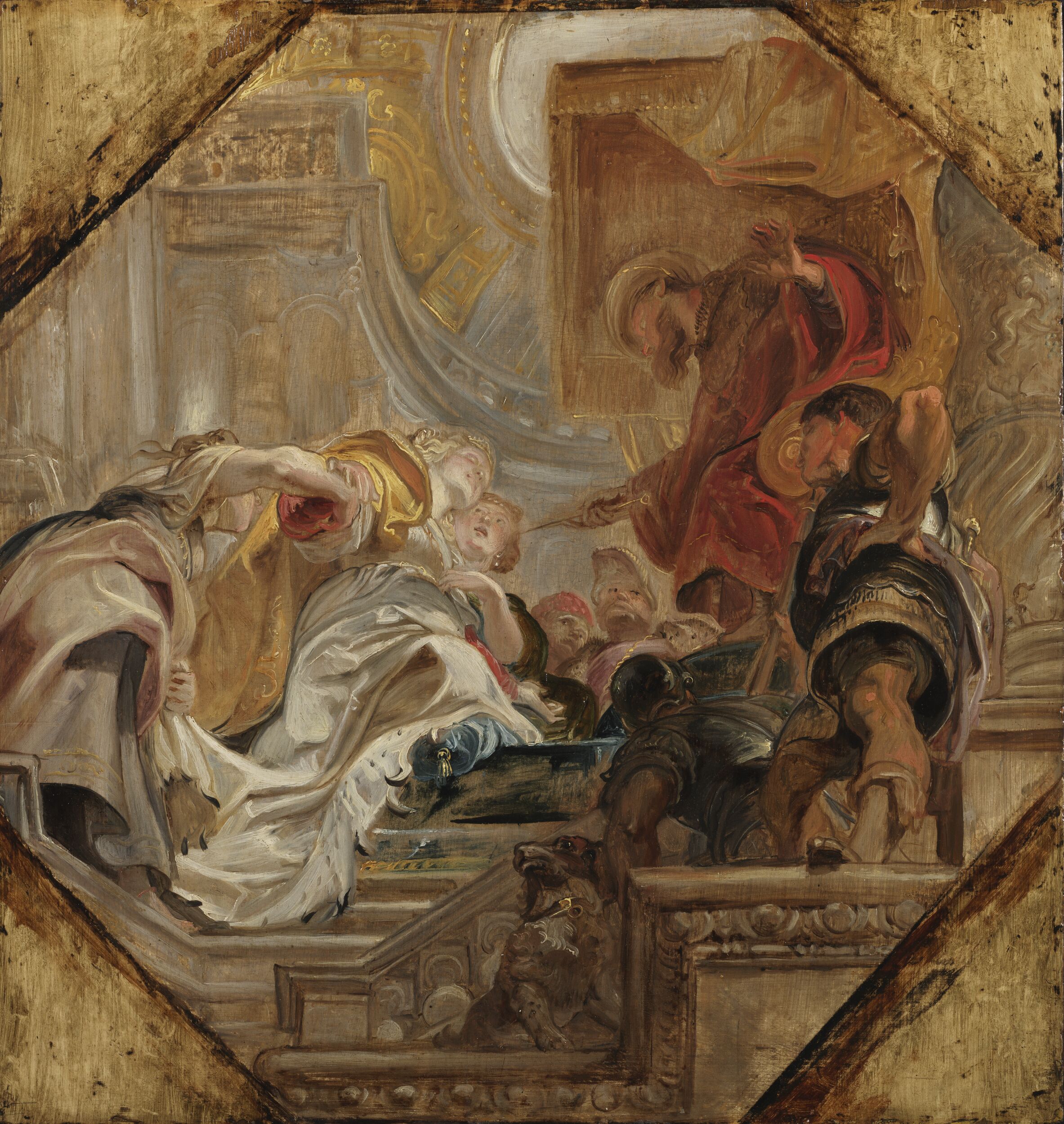
Estuary

- Artist: Winifred Nicholson (Artists)
- Date: 1928
- Medium: oil on canvas
- Museum: The Courtauld Gallery
- Collection record: The Courtauld Gallery website
Listen to the free audio guide
About this artwork
This is the Estuary by Winifred Nicholson, painted in 1928 as an oil on canvas. The canvas opens onto a gently flowing waterway, the type that sits where river meets sea. Nicholson captures that liminal space with a palette that balances cool blues and subtle greens against a warm, hazy sky. The brushwork is loose yet controlled, hinting at the impressionist influence that was popular in England during the late 1920s.
Notice how the light is rendered: a diffused glow that catches on the water’s surface, creating a series of shimmering highlights that lead the eye across the scene. Nicholson’s choice to focus on the estuary itself—rather than detailed figures—invites us to contemplate the quiet power of natural transition. The shoreline is hinted at with gentle, almost abstract strokes, suggesting dunes or mudflats without drawing them in hard detail.
The painting’s composition is balanced, with the water occupying the lower half of the canvas, while the sky rises in the upper portion, offering a sense of openness. This gives the viewer a feeling of standing on the brink, looking out toward the horizon. It’s a moment of calm and contemplation, evoking the soft rhythms of a tidal flow. The subtle interplay of light, color, and suggestion makes Estuary a compelling example of early twentieth‑century English landscape painting.
See it in person
Estuary hangs in The Courtauld Gallery at Somerset House, London. Point your phone at any artwork there and audioguide.london plays a free audio guide in six languages — no app download needed.