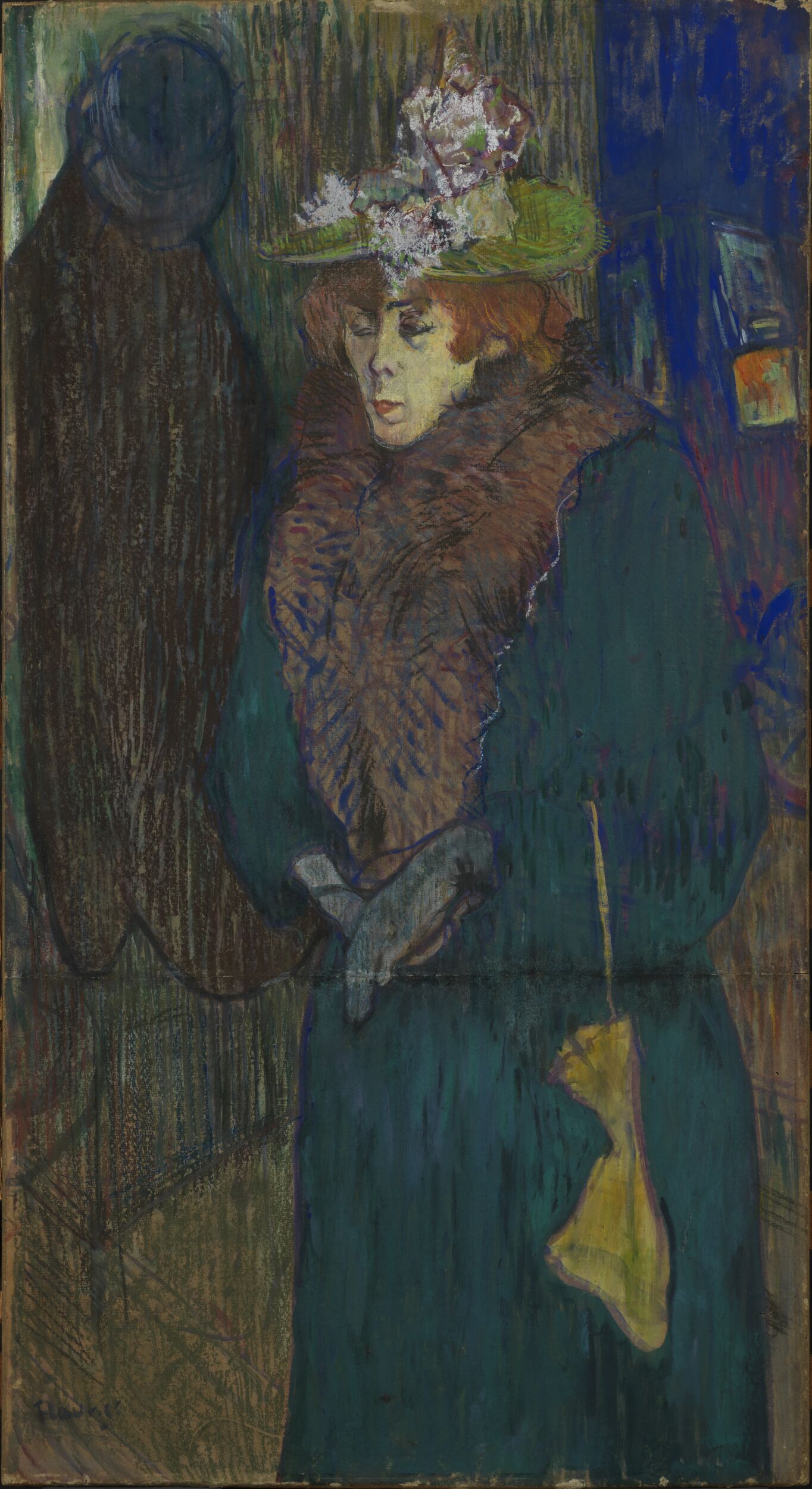
Job and his Comforters

- Artist: School ofNetherlands (Leiden) 16th century (Artists)
- Date: (circa) 1530 - 1540
- Medium: oil on panel
- Museum: The Courtauld Gallery
- Collection record: The Courtauld Gallery website
Listen to the free audio guide
About this artwork
This is the painting titled “Job and his Comforters,” created in the early 16th century by the School of Netherlands (Leiden). Dating from roughly 1530‑1540, it reflects the Dutch Renaissance’s attention to detail and human emotion.
The work is rendered in oil on panel, giving the figures a subtle, almost luminous quality. The central figure, Job, is depicted with a weary yet dignified expression, his hands clasped in prayer. Around him, a small group of comforters—perhaps friends or clergy—stand in gentle conversation, their gestures conveying empathy without overt drama. The artist’s use of chiaroscuro highlights Job’s solitude against the soft, earthy background, while the muted color palette reinforces the somber tone of suffering and solace.
The composition balances intimacy and narrative. The panel’s size allows for close observation of the fine brushwork that brings the clothing, textiles, and landscape to life. Notice how the light seems to fall from a hidden source, perhaps hinting at divine presence, while the subtle folds in the garments suggest the texture of wool and linen.
Overall, “Job and his Comforters” invites viewers to contemplate faith, endurance, and communal support during hardship. Its careful depiction of human vulnerability and quiet compassion offers a powerful glimpse into 16th‑century Dutch artistic values, making it a standout piece from the Leiden school.
See it in person
Job and his Comforters hangs in The Courtauld Gallery at Somerset House, London. Point your phone at any artwork there and audioguide.london plays a free audio guide in six languages — no app download needed.